


The image of the traditional, remote astronaut-scientist communicating with Earth through formal, tightly controlled announcements is increasingly a thing of the past. In the new era of private space exploration, a generation of content creators, the so-called Space Influencers, is taking the lead. These young scientists and astronauts use social media to translate the complexities of the universe into the language of Millennials and Gen Z, turning Earth’s orbit into the ultimate setting for viral content.
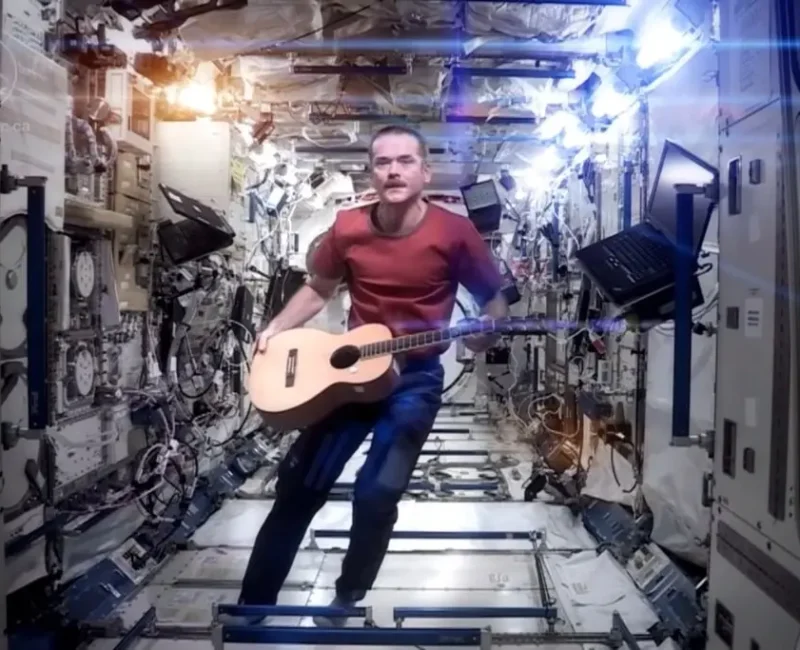
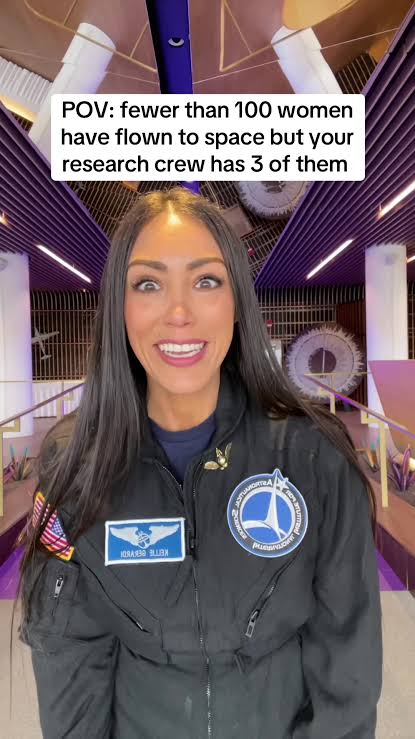
The trend began earlier with figures such as Chris Hadfield, who became internationally known after performing David Bowie’s Space Oddity aboard the International Space Station. Today, a new generation has taken over, with figures such as Kellie Gerardi, who uses platforms including TikTok and Instagram to demystify everyday life in space. Her videos exploring everything from how astronauts wash in zero gravity to how the body prepares for a suborbital flight attract millions of views, making science more accessible and engaging than ever.
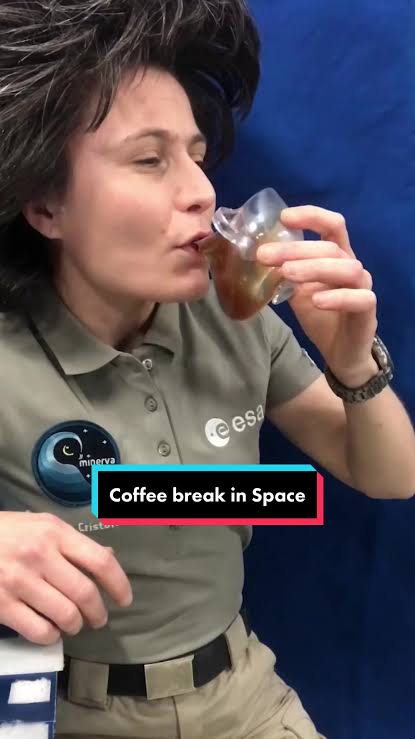
Another prominent example is Emily Calandrelli (@thespacegal), an aerospace engineer and Netflix presenter who uses TikTok to make science more accessible to a wider audience. Likewise, Italian astronaut Samantha Cristoforetti became the first to share viral TikTok content directly from the International Space Station, offering viewers a glimpse into life in orbit, including how a ‘space’ espresso is made.


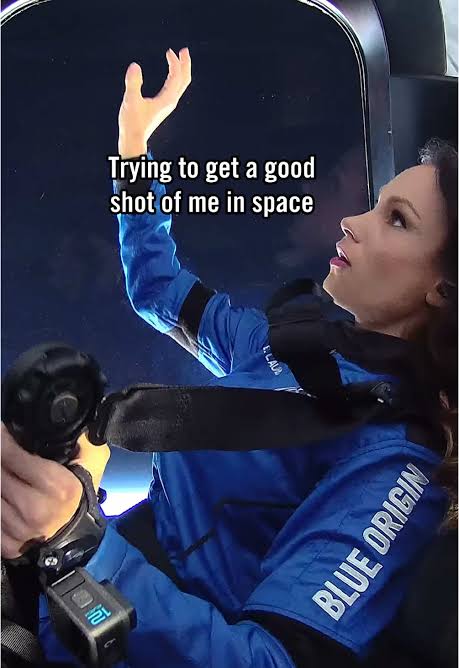
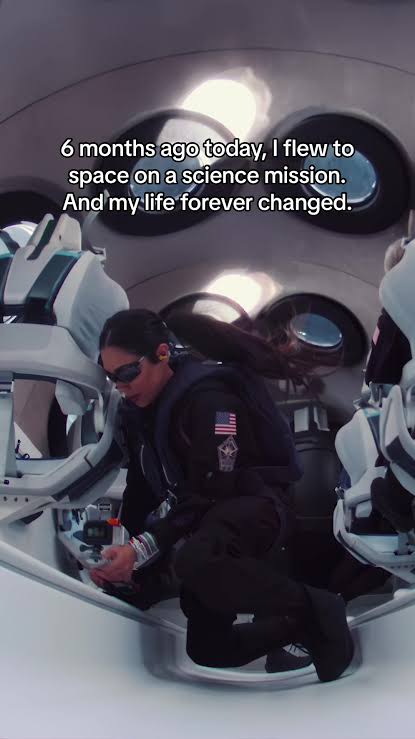
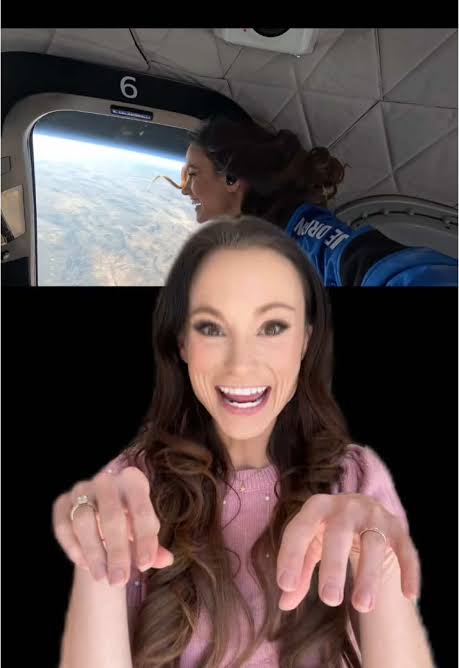
Beyond entertainment, Space Influencers also play an important role in raising awareness through what is known as the ‘Overview Effect’. The term describes the profound psychological and cognitive shift experienced by astronauts when they see Earth from space: a small, fragile sphere protected by only a thin layer of atmosphere. By sharing this perspective with their followers, these creators offer a particularly powerful way of communicating the importance of environmental protection.
The trend, however, is not purely educational. It also carries considerable commercial value. Leading consumer brands, from fashion and beauty companies to technology giants, are recognising space as a new and highly desirable setting for sponsorships and product placements. Placing products in zero-gravity environments gives brands a distinctive cultural cachet while also contributing, at least in part, to the commercial ecosystem surrounding private space missions.
In this way, space is being transformed from a mysterious and distant destination reserved for the few into a spectacle accessible to almost everyone. All it takes to come closer to the great mysteries of the universe is a smartphone and an internet connection.


