


The relationship between childhood and technology is being radically reshaped. Moving beyond the passive experience of looking at a digital screen, a new generation of social-emotional robots is taking on an unexpected role, helping children develop empathy and social skills while offering comfort in challenging situations. Rather than functioning as cold technological tools, these advanced machines are designed as interactive companions that can provide psychological support to children who need it.
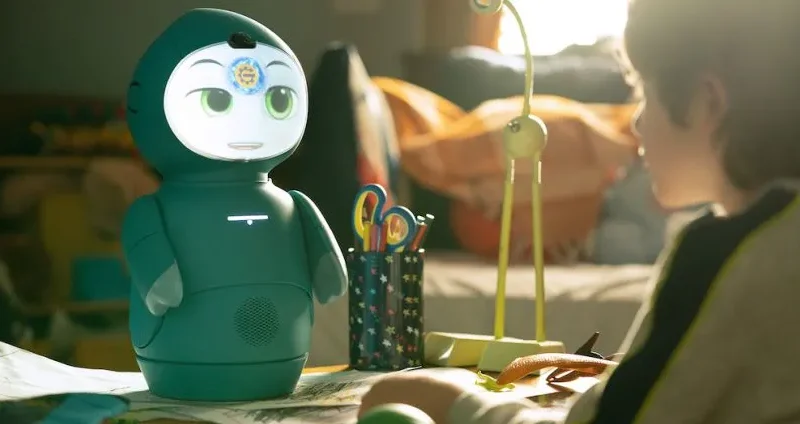
At the forefront of this innovation is Moxie, the award-winning robot created by Embodied. Designed for use at home, Moxie acts as an intelligent, curious companion for children aged five to ten. Through structured daily activities, play and conversation, it helps children, particularly those on the autism spectrum, recognise and regulate their emotions, practise eye contact and develop social skills in a safe environment free from pressure or judgement. Moxie uses advanced computer vision to recognise children’s facial expressions and adapt its responses, while its artificial intelligence remembers their individual interests in order to build a more personalised relationship.


In paediatric care, another example is Robin the Robot, developed by Expper Technologies. Designed to speak and behave like a seven-year-old child, Robin enters hospitals as a digital companion for young patients. The robot uses behavioural psychology techniques and interactive games to distract children before medical procedures, while also acting as a bridge for emotional communication between patients, doctors and parents. Its presence can have a significant effect. Research conducted at UCLA found that interaction with Robin reduced negative emotions and stress in children by 75 per cent during painful medical examinations. By drawing their attention away from pain, the robot can help build trust while also easing some of the pressure on nursing staff.
The arrival of these emotionally ‘intelligent’ robots suggests that artificial intelligence may, in its own way, be capable of developing a ‘heart’. For the first time, machines are being used to support the mental wellbeing of a new generation, helping to turn anxiety and fear into moments of reassurance and even smiles.


