


The global fashion industry has reached a critical crossroads. Fast fashion remains one of the planet’s major polluters, consuming vast amounts of natural resources while sending huge volumes of synthetic clothing to landfill. In response, many consumers are turning to second-hand fashion or garments made from natural, biodegradable materials. Now, green biotechnology is offering another alternative: sustainable clothing made from what would otherwise end up as kitchen waste.
In Germany, microbiologist and fashion designer Anke Domaske founded QMilk, a company built around an award-winning process that transforms expired milk that is no longer fit for consumption into textile fibres. Using an environmentally friendly process that avoids harmful chemicals, Domaske extracts casein, the protein found in milk, and turns it into an exceptionally soft fibre. The resulting fabric has a silk-like feel and is hypoallergenic, antibacterial and 100% biodegradable.
Producing 1 kilogram of fibre requires just 2 litres of water, a temperature of 80°C, and only 5 minutes of processing time. Domaske compares the machine used in the process to “a large pasta maker”: the casein powder is mixed with water and pushed through tiny openings to form fine threads.
QMilk fibre is typically blended at around 20% with wool or cotton and is used in hypoallergenic clothing, household textiles and medical fabrics. It is also used in car filters and as a base ingredient in a range of natural cosmetics.
Meanwhile, in Italy, young entrepreneurs Adriana Santanocito and Enrica Arena turned their attention to fruit waste. In Sicily, a region that produces hundreds of thousands of tonnes of waste from the citrus juice industry, they founded Orange Fiber.


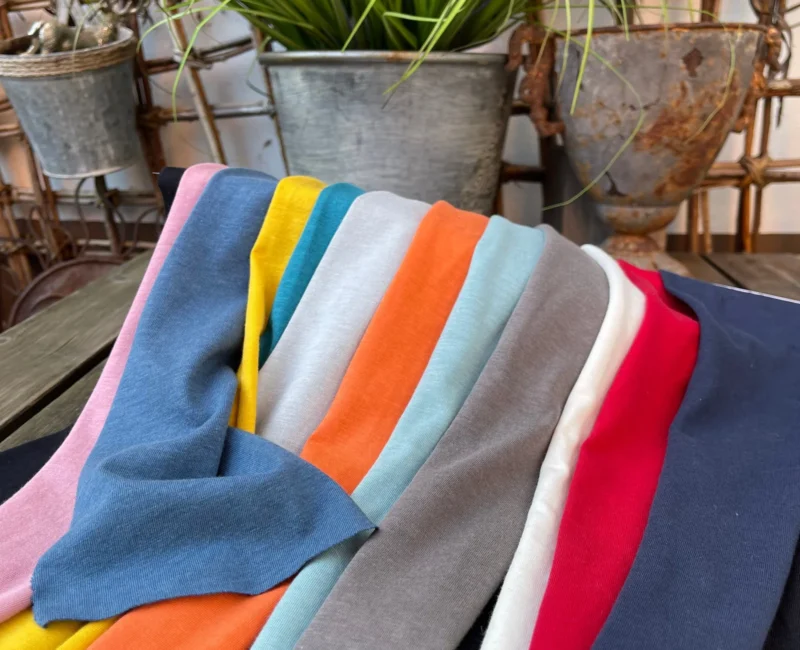
The company patented a process that extracts cellulose from discarded orange peel and turns it into a premium-quality yarn. The result is a lightweight, luxurious fabric with the lustre and feel of silk. It has already been used in collections by major fashion names including Salvatore Ferragamo and Marc O’Polo, while a number of fast-fashion brands have also begun incorporating it into their products.
Circular-economy innovations such as QMilk and Orange Fiber address two major problems at once. On the one hand, they reduce the volume of organic and industrial waste sent to landfill, where it can contribute to greenhouse gas emissions. On the other, they provide the global fashion industry with more sustainable raw materials, replacing polluting synthetic fibres that break down slowly and place a heavy burden on the environment.


